September’s Adorable Adoptables: Meet Fanta, Cayenne and Macey
This month’s Adorable Adoptables each have something different to offer. There is an affectionate cat who has already overcome a major challenge, a little dog with plenty of personality, and a people-loving Lab mix who knows what it means to be part of a family. While their stories are different, Fanta, Cayenne and Macey all share one important thing: they are ready to find someone special.
If one of these sweet faces catches your eye, visit HallieHill.com to learn more and submit an adoption application.
Meet Fanta
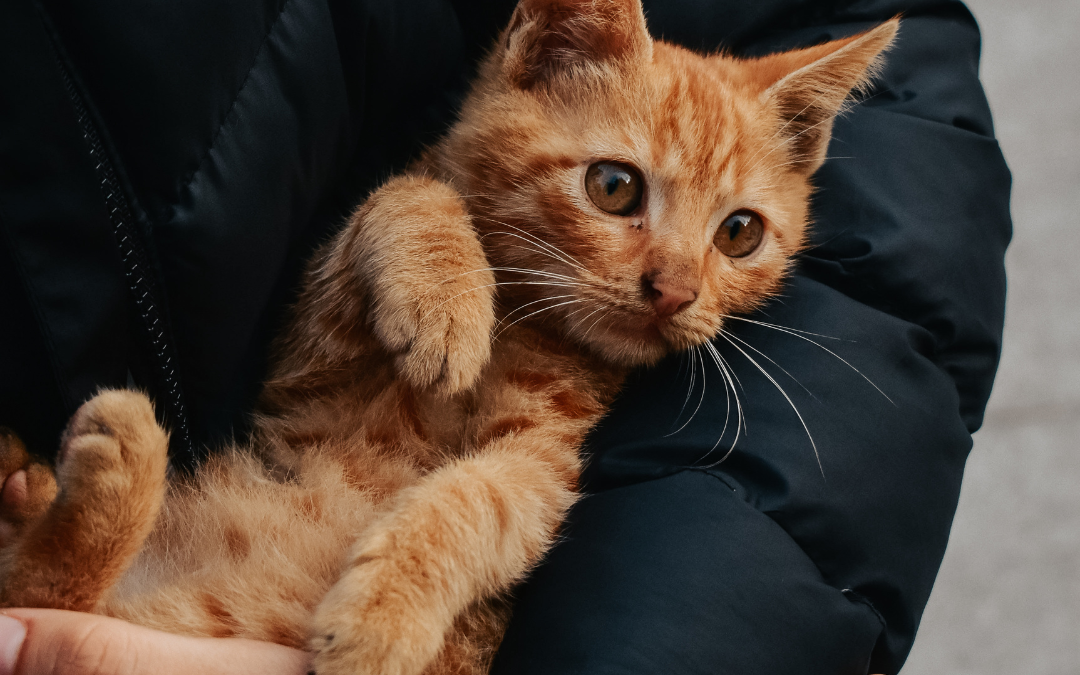
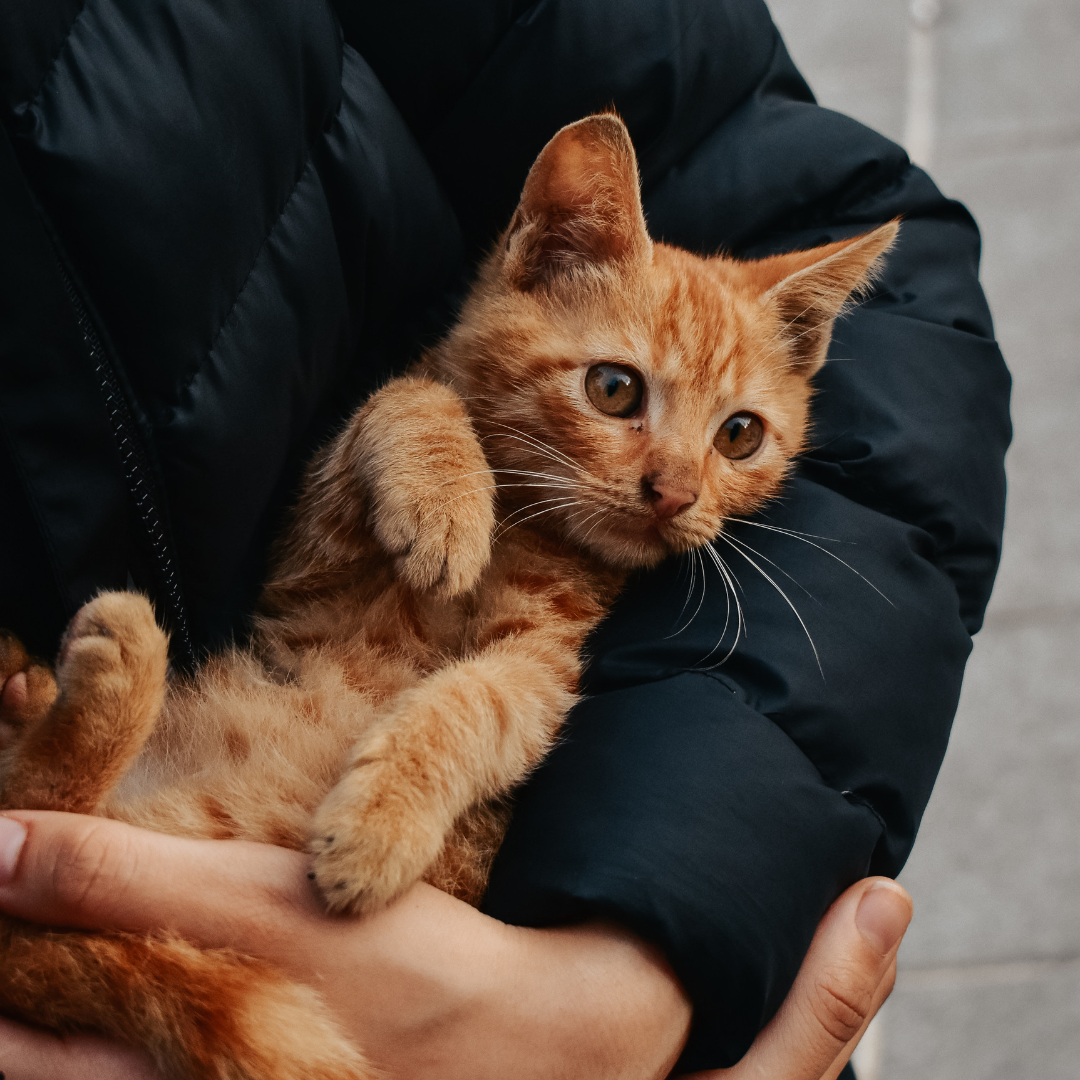
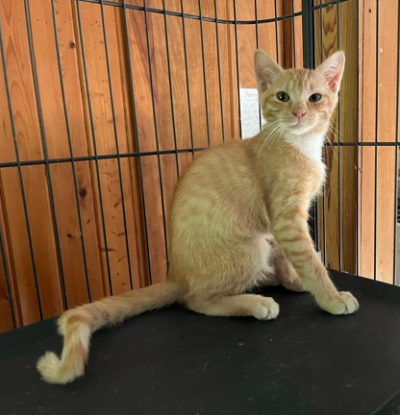
Fanta is a 3-year-old Domestic Shorthair with a gentle personality and an inspiring story.
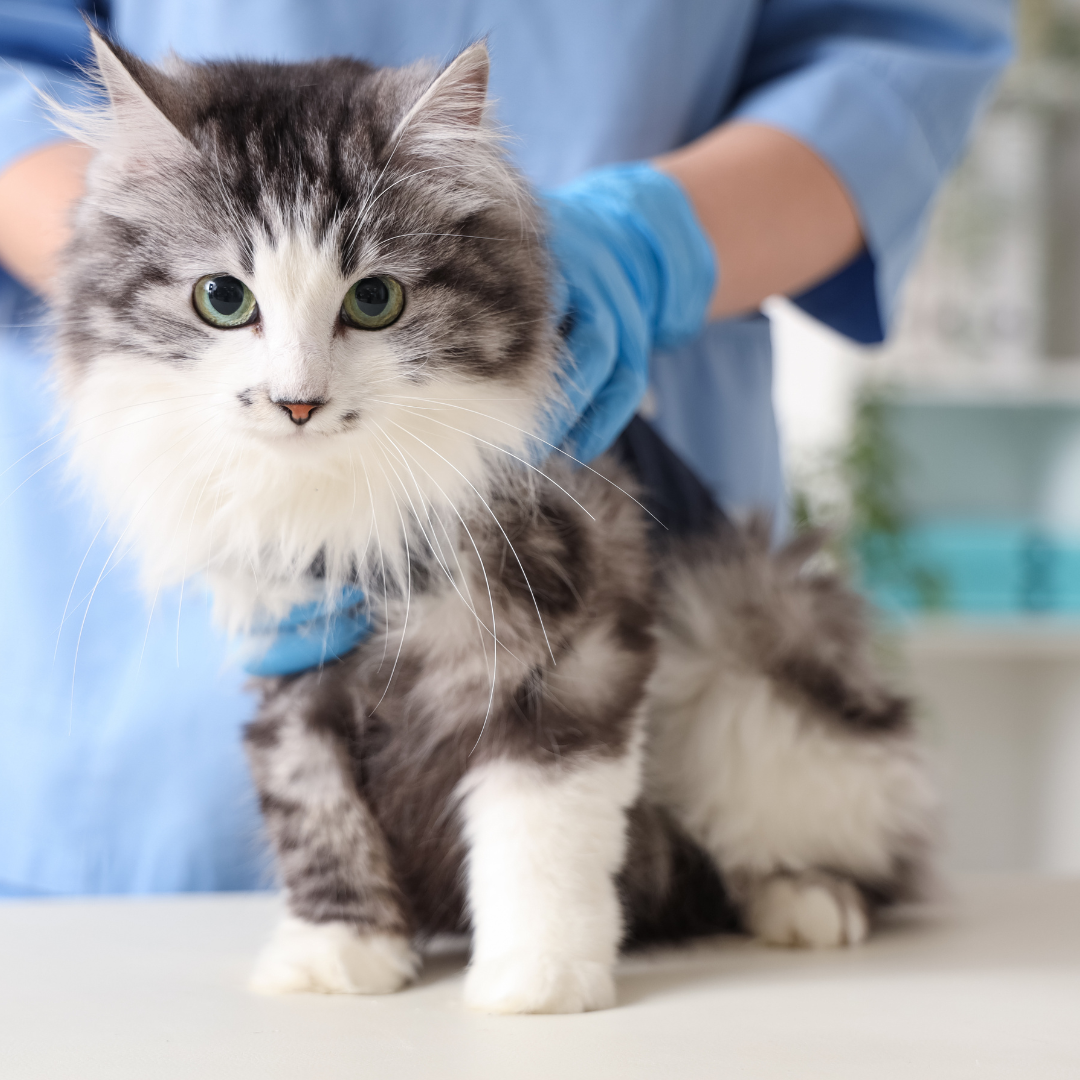
Once he feels comfortable in his surroundings, Fanta is an affectionate companion who is ready to share plenty of love. His journey has not always been easy. As a kitten, Fanta was diagnosed with Feline Infectious Peritonitis, or FIP, a serious illness that he was able to overcome thanks to a series of newer treatments.
Fanta has been doing well since completing treatment. Because these treatments are relatively new, it is difficult to predict whether he could experience related health concerns in the future. What we do know is that Fanta has already shown just how resilient he can be.
After everything he has been through, this sweet boy is ready for the next chapter of his story. With a little time to settle in and feel secure, Fanta has so much affection to give the person or family willing to give him a chance.
Meet Cayenne
Cayenne may be small, but her personality certainly is not.
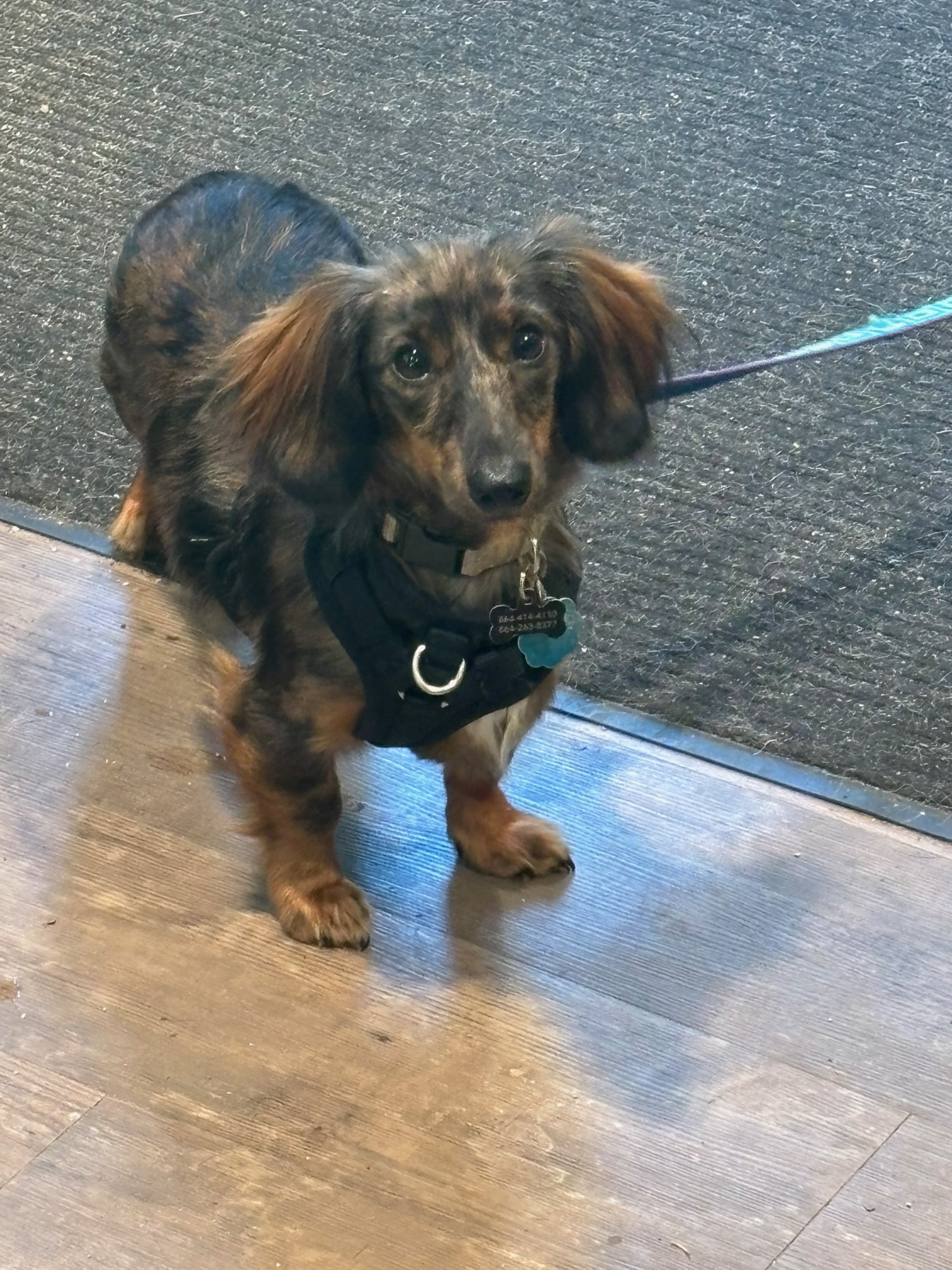
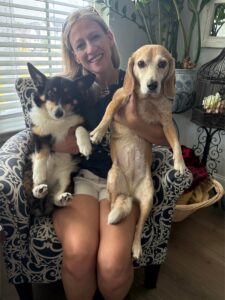
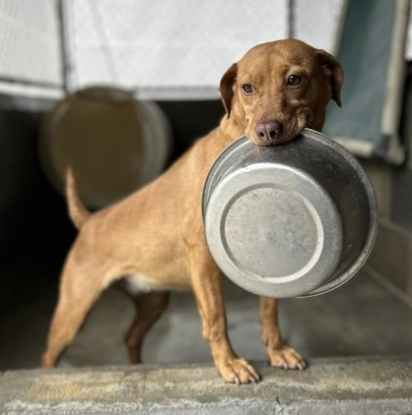
This 7-year-old mixed-breed pup weighs around 20 pounds and is a charming combination of spunky and sweet. Cayenne can be a little shy when meeting someone new, but patience goes a long way with her. Once she feels safe and learns she can trust you, her affectionate side begins to shine.
Cayenne also enjoys the company of other dogs, so a canine companion could be a welcome addition to her future home. She is looking for a family that will give her the time and reassurance she needs to settle in at her own pace.
For someone looking for a smaller dog with plenty of character, a gentle heart, and just the right amount of sass, Cayenne might be the companion you have been waiting to meet.
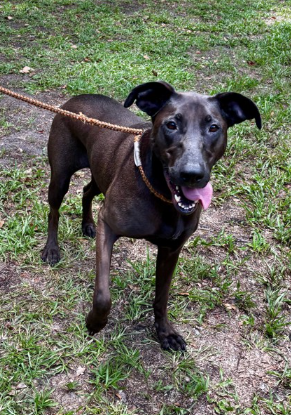
Meet Macey
For Macey, being around people is about as good as it gets.
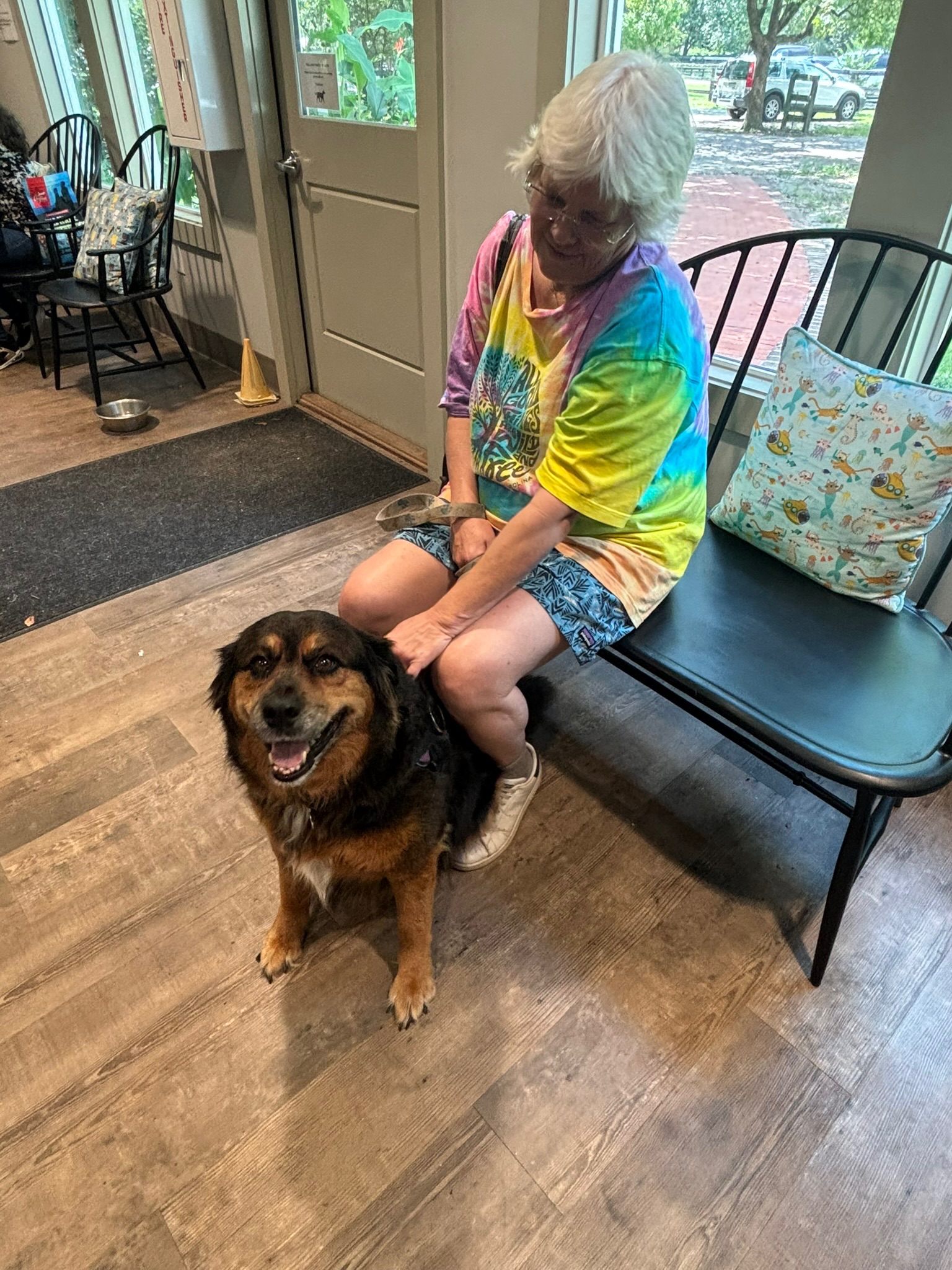
This 4-year-old Retriever/Lab mix recently came to Hallie Hill after circumstances left her previous family unable to continue caring for her. Having spent her life in a home, Macey already understands many of the routines that come with being part of a family. She is potty trained and previously lived with small children.
Most importantly, Macey is incredibly friendly and affectionate. Whether she is soaking up attention, joining in on the day’s activities or relaxing beside her favorite people, she simply loves being included.
Macey is ready for a fresh start with someone who will welcome her into the family and give her the love and companionship she enjoys so much. If you have been searching for a warm, people-oriented dog to share your days with, she may be worth getting to know.
Could One of Them Be Your Match?
Every adoption begins with someone taking the time to learn a little more.
Fanta, Cayenne and Macey are each waiting for the right person to discover what makes them special. Your next best friend could be among them.
Visit HallieHill.com to view Hallie Hill’s available animals and complete an adoption application. Applying is the first step toward meeting an animal and finding out whether you might be the perfect match for one another.