Understanding Pain in Cats: What Every Cat Guardian Should Know

Understanding Pain in Cats: What Every Cat Guardian Should Know

This article was inspired by and draws information from the original piece “25 Signs Your Pet May Be in Pain” published by Bark & Whiskers. You can read the original article here.

At Hallie Hill Animal Sanctuary, we believe that caring for animals also means helping the people who love them feel informed and supported. Recognizing when a cat may be experiencing pain is an important part of that care.

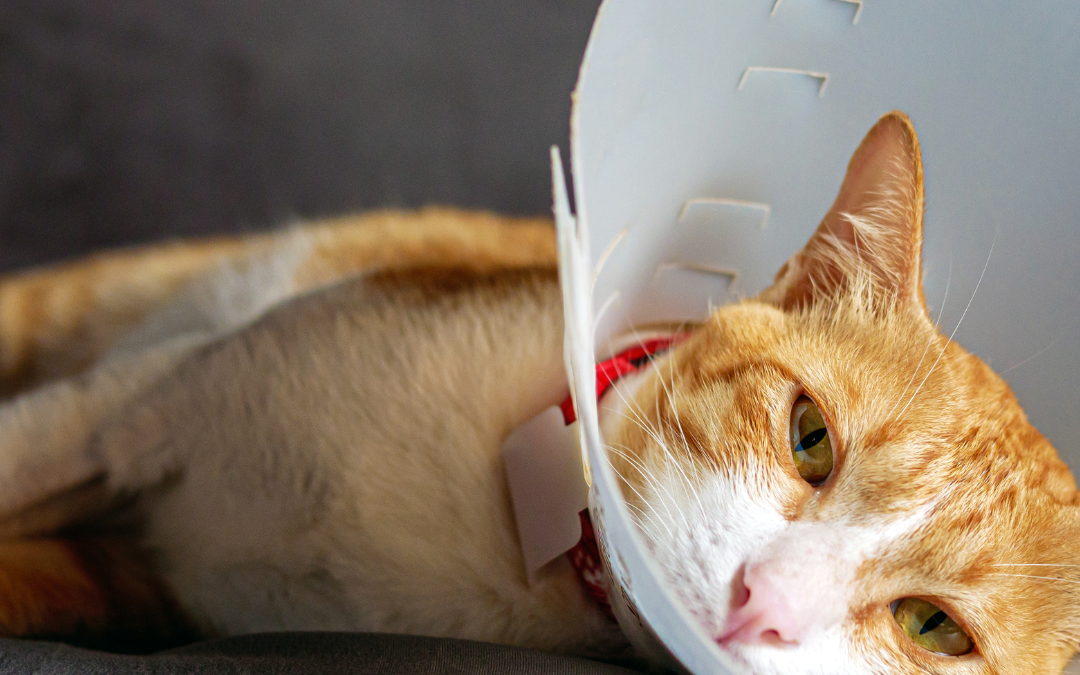
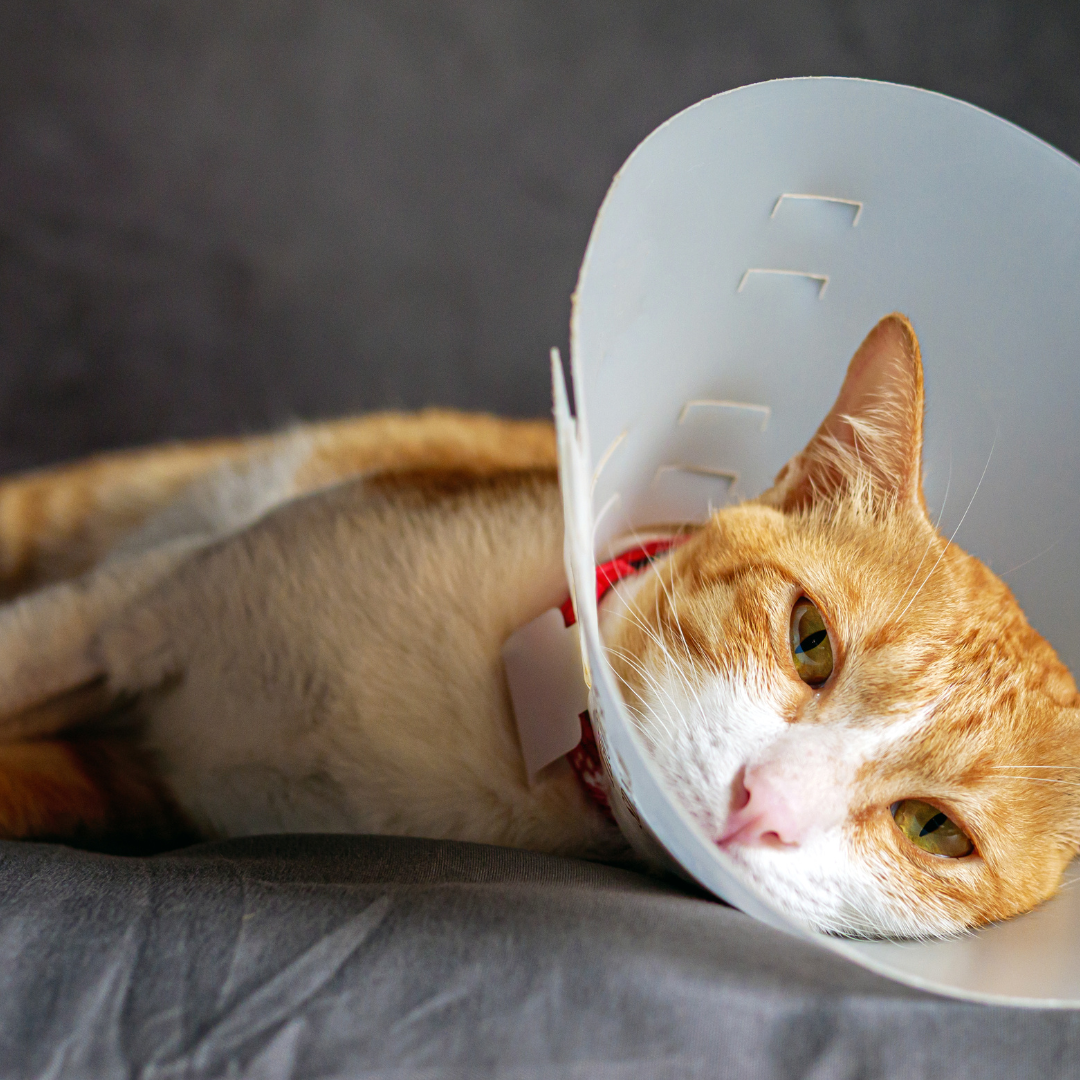
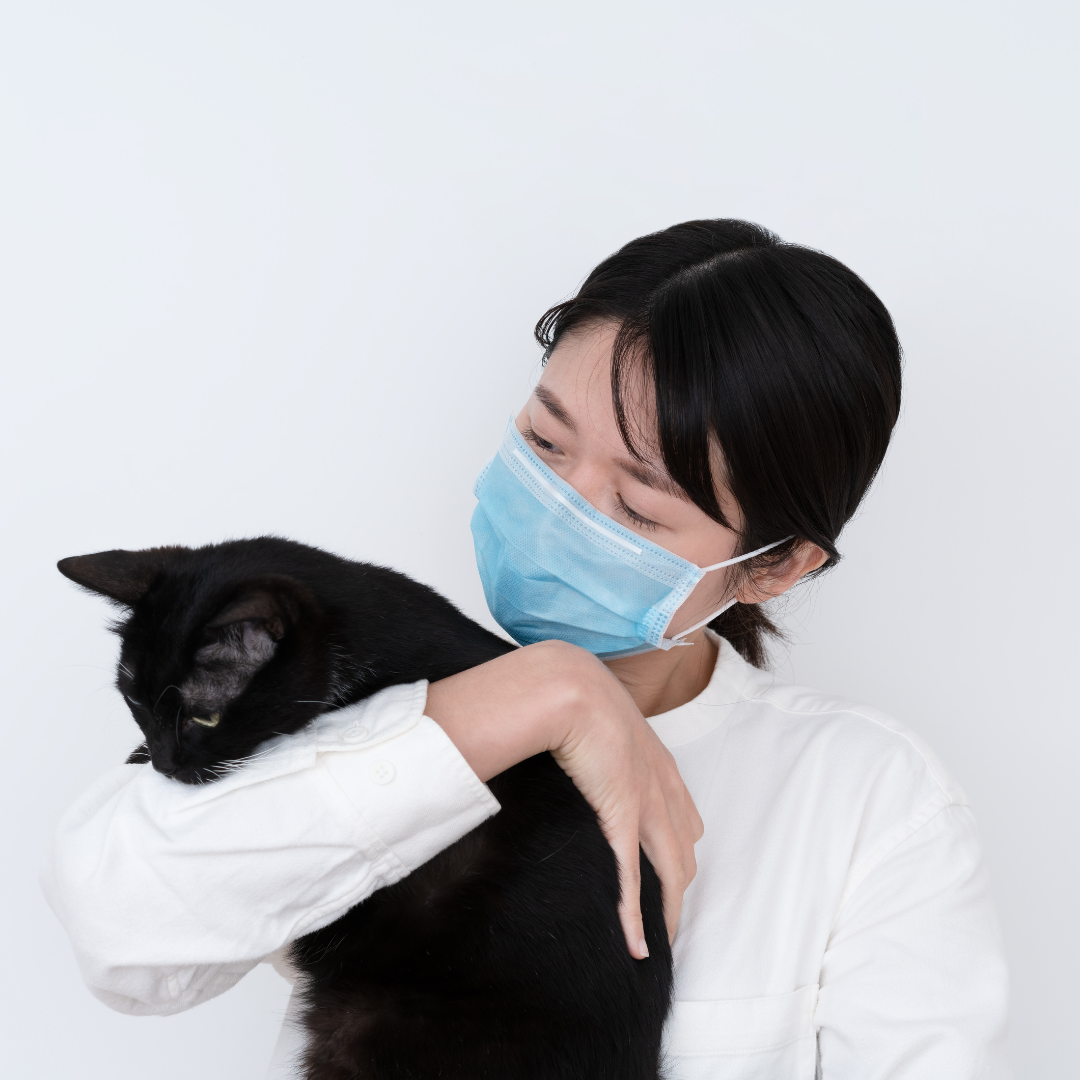
Cats are remarkably resilient animals. They are also very good at hiding discomfort. Because of this, pain in cats can sometimes go unnoticed until it becomes more serious. Learning to recognize the subtle signs can make a meaningful difference in your cat’s health and quality of life.

Why Cats Hide Pain

In the wild, animals that show signs of injury or weakness can become targets for predators. Over time, cats developed a natural instinct to mask pain and vulnerability.

Even in safe homes with loving families, that instinct remains. A cat who is hurting may not cry out or behave dramatically. Instead, the signs are often quiet and easy to miss.

This is why attentive observation and regular veterinary care are so important. Your cat relies on you to notice when something may be wrong.

Pain should always be taken seriously. It can interfere with healing after injury or surgery, reduce appetite, and affect a cat’s overall well-being. Over time, unmanaged pain can also lead to decreased activity, behavioral changes, and a lower quality of life.

Common Causes of Pain in Cats

Pain in cats can come from a wide range of conditions. Some are visible, while others develop internally and may not be obvious at first.

A few common causes include:

  • Injury or trauma
  • Dental disease or oral infections
  • Eye, ear, or skin infections
  • Gastrointestinal issues
  • Urinary tract problems
  • Arthritis or joint degeneration
  • Diseases affecting the spine or nervous system
  • Recovery from surgery
  • Serious illnesses such as cancer

Older cats in particular may develop chronic conditions such as osteoarthritis or degenerative joint disease. These conditions can progress gradually, which makes subtle changes in behavior especially important to notice.

Signs Your Cat May Be Experiencing Pain

Because cats rarely vocalize discomfort, behavioral changes are often the clearest signals.

Researchers have identified many subtle indicators that may suggest a cat is experiencing pain. Some of the most common include:

  • Limping or changes in walking
  • Difficulty jumping or climbing
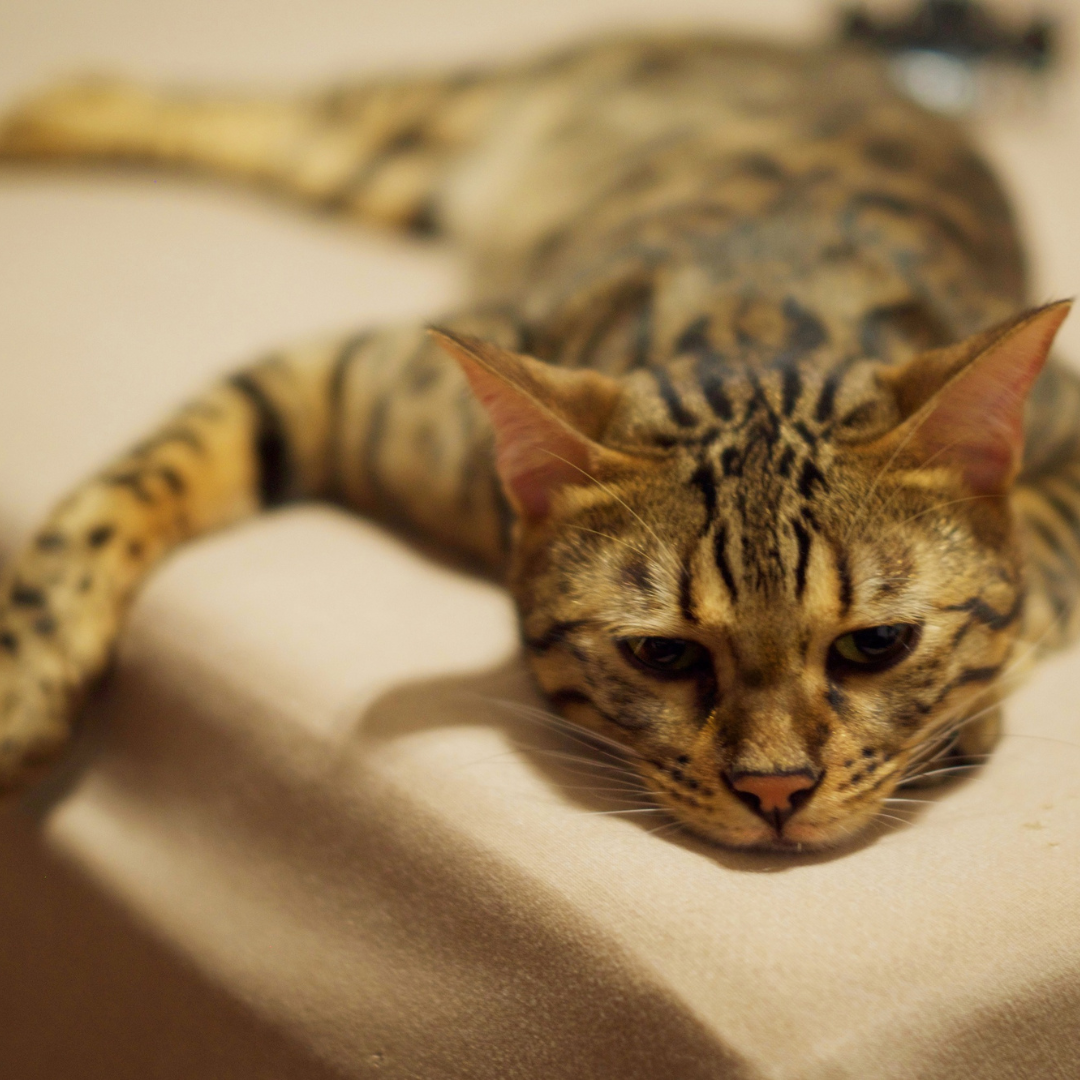
  • Reduced activity or reluctance to move
  • Spending more time hiding or withdrawing
  • Less grooming than usual
  • Decreased appetite
  • Changes in temperament or mood
  • A hunched posture or shifting weight frequently
  • Licking one particular area of the body repeatedly
  • Eyes partially closed or avoiding bright spaces
  • Growling, groaning, or unusual vocalization
  • Straining to urinate or changes in litter box behavior

Sometimes the only sign may be a small shift in routine. A cat who suddenly skips meals, hides more often, or stops greeting family members may be trying to communicate discomfort.

When something feels different, it is always wise to speak with your veterinarian.

The Importance of Early Care

Addressing pain early helps protect your cat’s overall health.

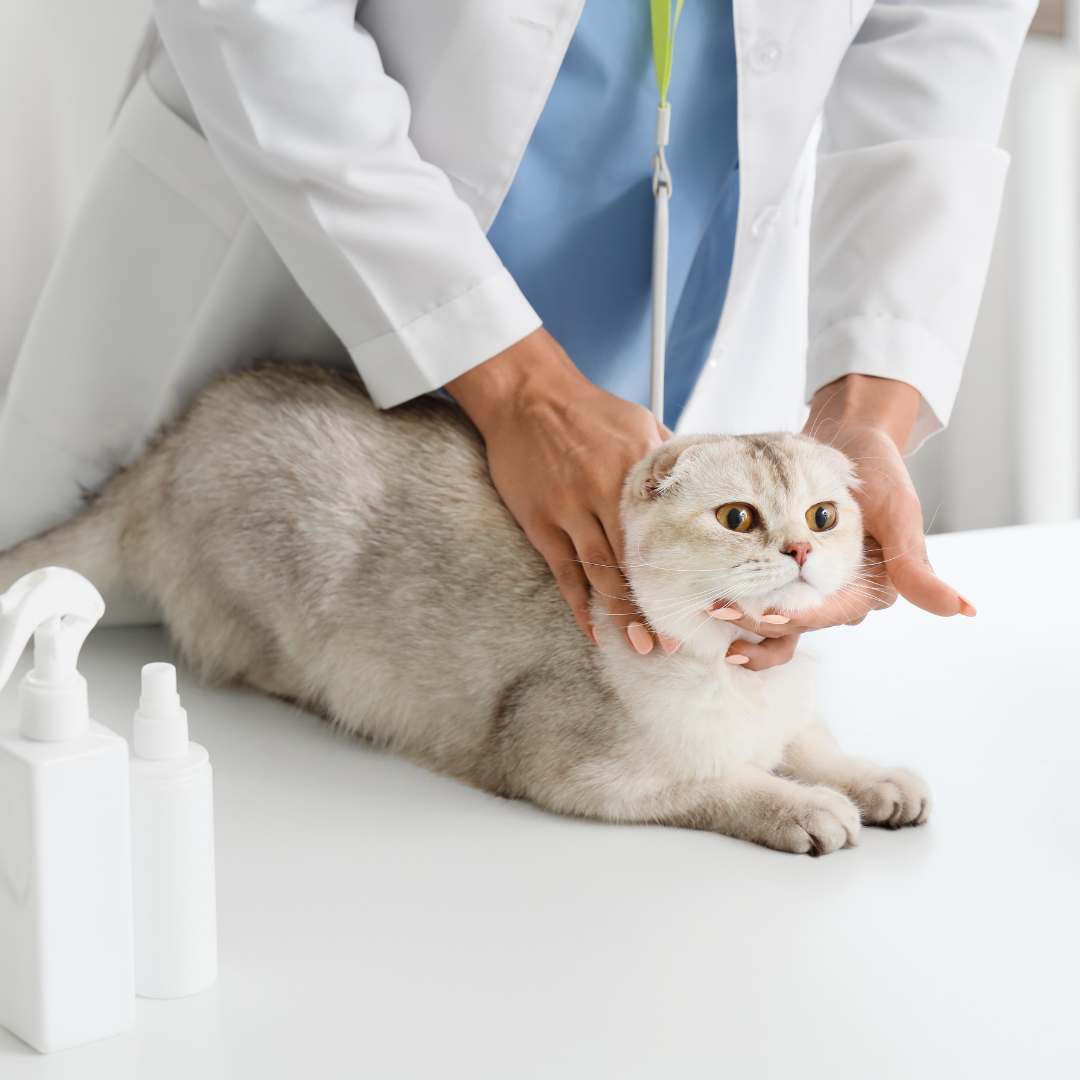
Veterinarians often treat pain while they work to identify the underlying cause. This approach keeps the animal comfortable while diagnostic testing or treatment begins.

If surgery is required, many veterinarians now focus on proactive pain management. Providing pain relief before, during, and after procedures can improve recovery and reduce stress for the patient.

Open communication with your veterinarian is helpful. You can ask about the plan for managing pain and how your cat will be supported throughout treatment.

Helping Reduce Stress During Vet Visits

For many cats, veterinary visits themselves can be stressful. Anxiety can intensify pain and make examinations more difficult.

Some veterinary clinics use calming tools such as synthetic feline facial pheromones in exam rooms. These products can help create a more relaxed environment for feline patients.

In certain situations, veterinarians may also recommend gentle sedation or anti-anxiety medication. This allows necessary examinations or procedures to be performed in a way that minimizes distress for the cat.

Exploring Different Approaches to Pain Management

Every cat is unique, and pain management often requires a thoughtful and individualized approach.

Veterinary treatment may include medications designed specifically for feline patients. Because cats process medications differently from other animals, dosing and drug selection must be handled carefully by a veterinarian.

In some cases, complementary therapies may also play a role in supporting comfort. These may include options such as:

  • Therapeutic massage
  • Chiropractic care
  • Acupuncture
  • Laser therapy
  • Physical rehabilitation

Nutritional support and anti-inflammatory diets can also help some cats, particularly those dealing with chronic conditions such as arthritis.

Working with a veterinarian who understands your cat’s individual needs can help determine which combination of treatments is most appropriate.

Supporting Your Cat’s Quality of Life

Pain does not only affect the body. It also shapes how animals experience their daily lives.

Mobility, playfulness, appetite, and interest in human interaction all contribute to a cat’s quality of life. A stimulating environment that includes enrichment, gentle play, and affection can help cats stay engaged and comfortable even when managing chronic conditions.

At the heart of it all is attentiveness. When we notice small changes and respond with care, we help ensure that our animals continue to feel safe, comfortable, and understood.

Walking Alongside Our Cats

Cats may not be able to tell us when something hurts, but they rely on us to notice the signs.

By learning to recognize subtle changes and working closely with trusted veterinary professionals, we can support our cats through illness, recovery, and aging with compassion and patience.

If you share your life with a cat, your awareness and presence matter more than you may realize.

And if you would like to explore the original article that inspired this piece, you can read it here.

March’s Adorable Adoptables

March’s Adorable Adoptables

Each month, a few animals step forward to represent the many who call Hallie Hill home while they wait for their forever families.

Our March Adorable Adoptables each have their own personality, their own quiet charm, and their own story that has led them here. What they share is something simple and meaningful. They are ready for connection, companionship, and the comfort of a loving home.

This month, we would love to introduce you to Radar, Rio, and Rip.

Radar

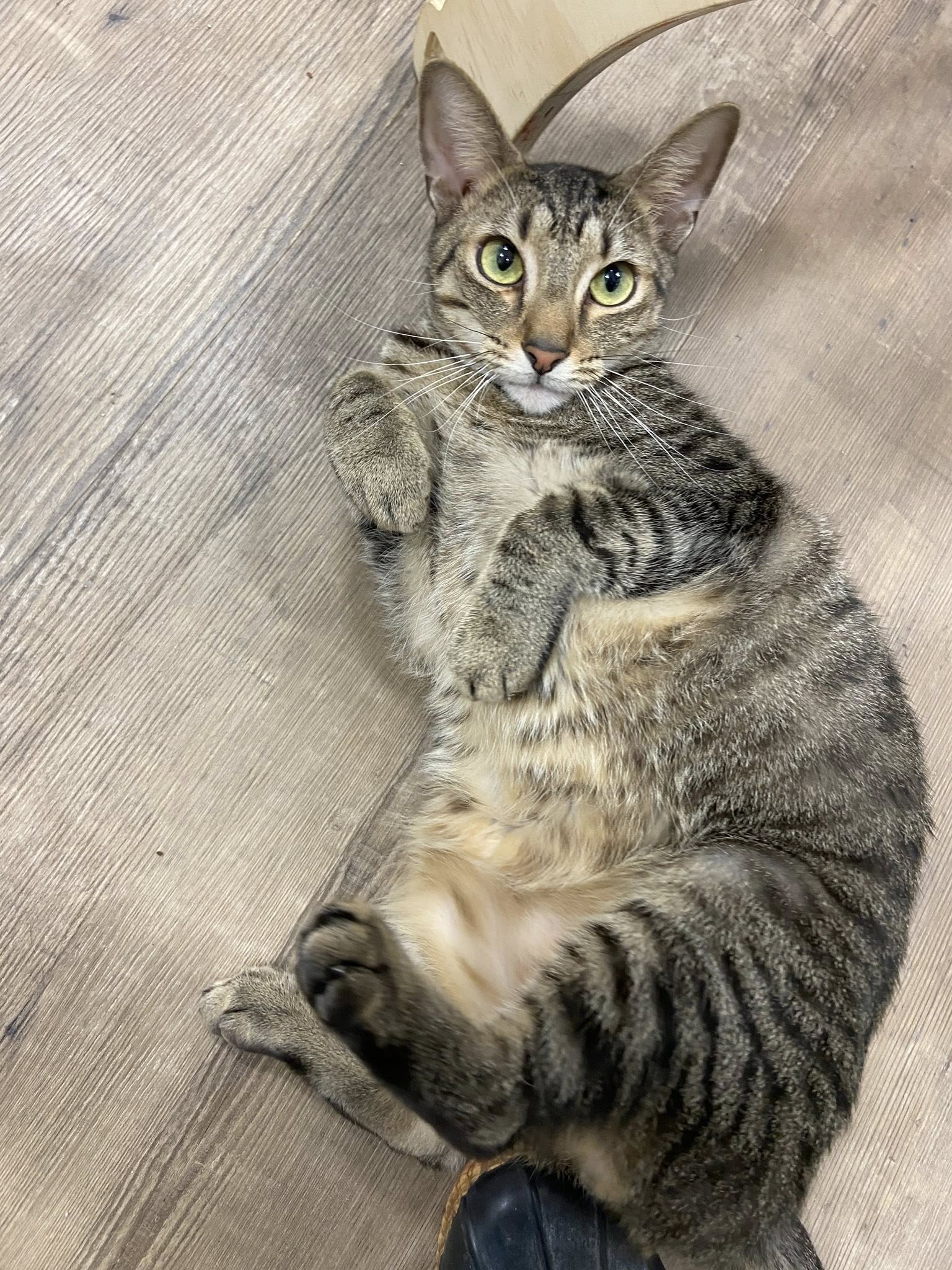
Radar is a five-year-old domestic short hair who arrived at Hallie Hill with his much shyer sister, Echo. While Echo tends to prefer the quiet corners, Radar has always been a little more curious about the world around him.

He enjoys the simple things. A warm patch of sunlight on a windowsill. A quiet place to stretch out and relax. A peaceful moment watching the world go by.

Radar has a calm presence and a gentle way about him. Once he gets to know you, he is happy to settle in close and enjoy a good belly rub.

For someone who appreciates a relaxed companion and a steady presence in the home, Radar may be the perfect fit.

Rio

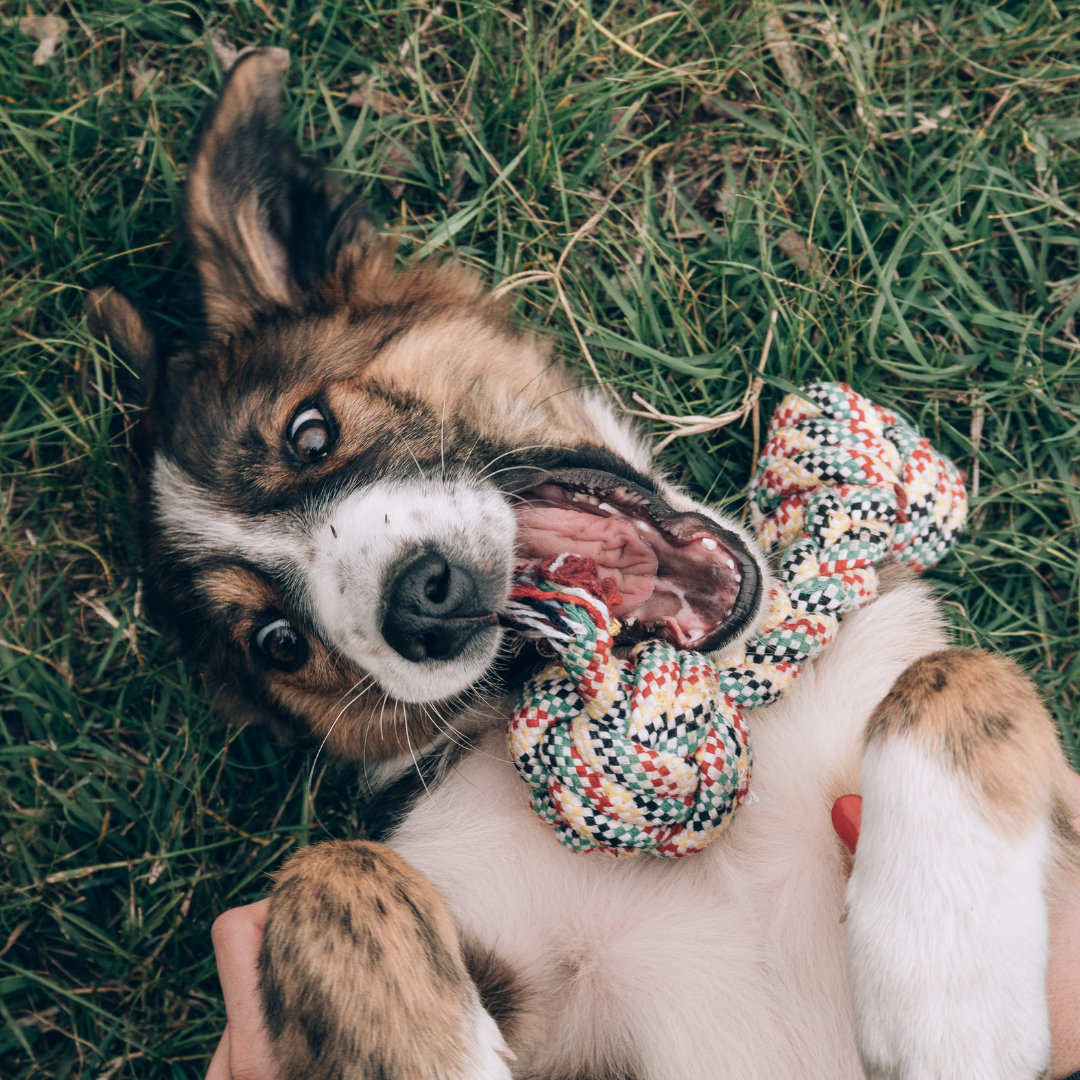
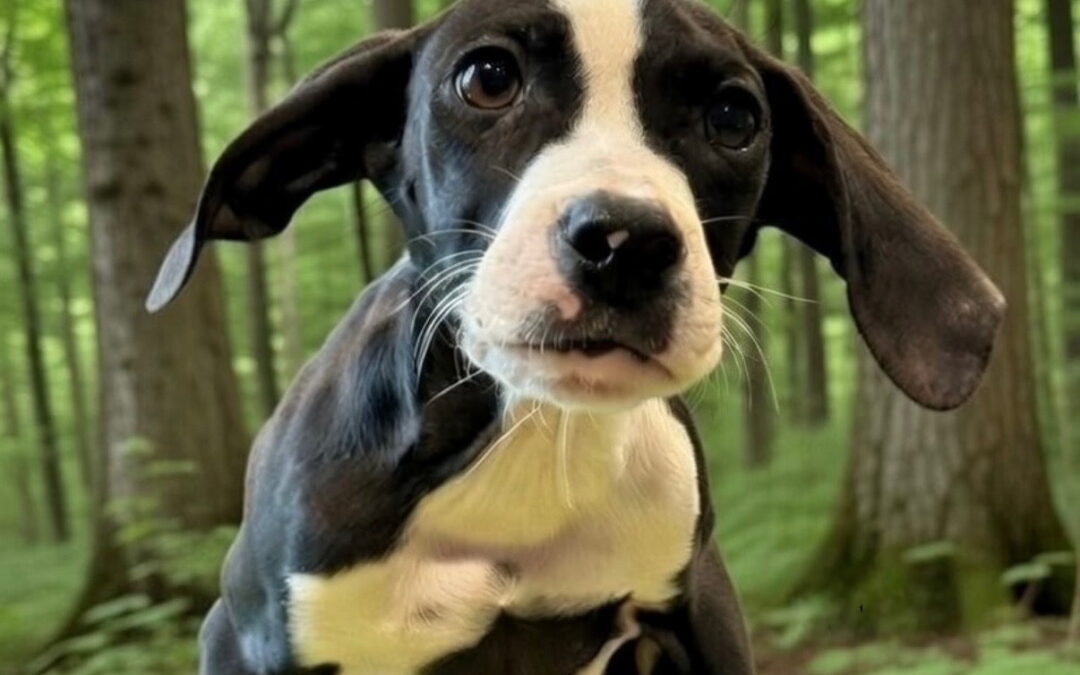
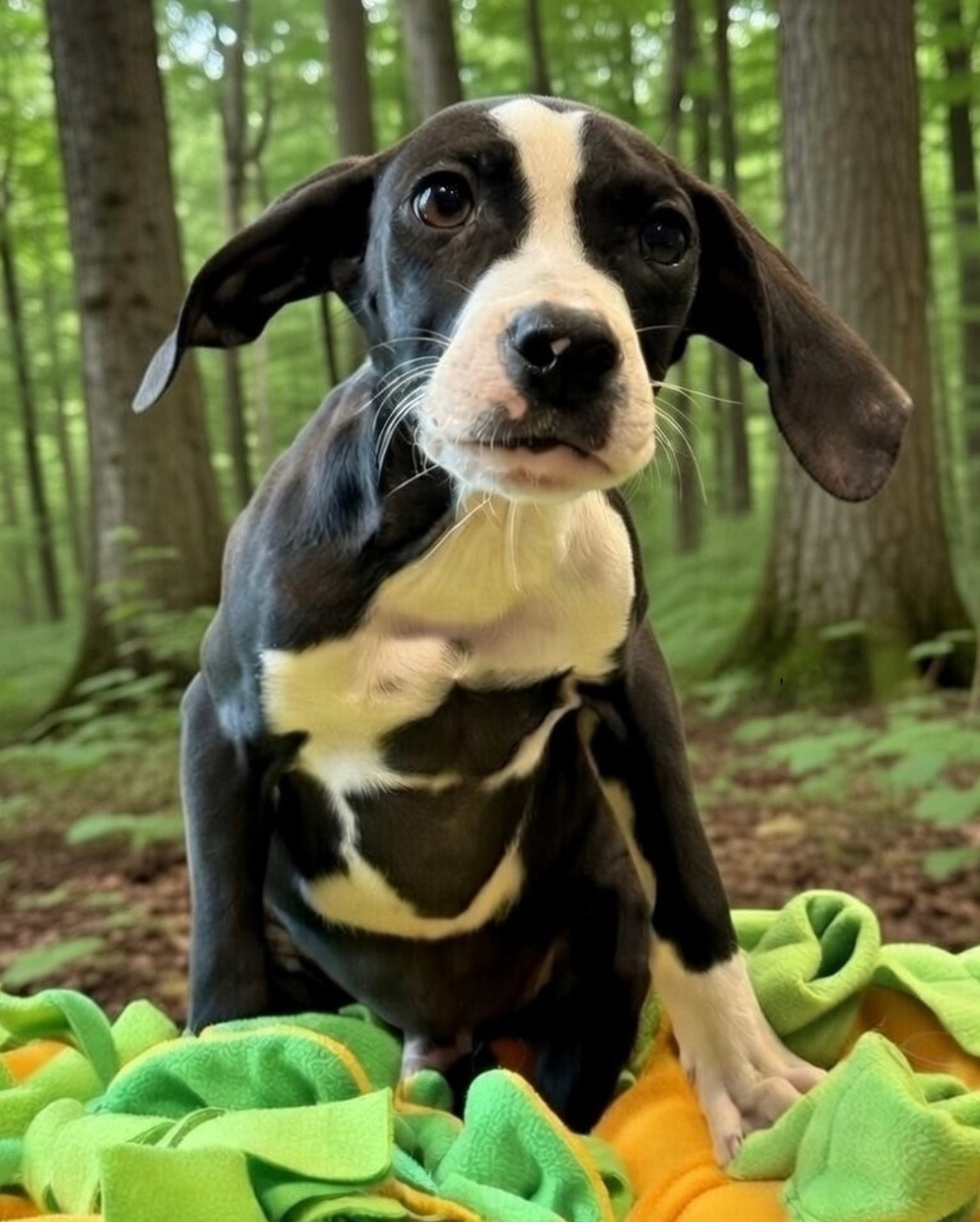
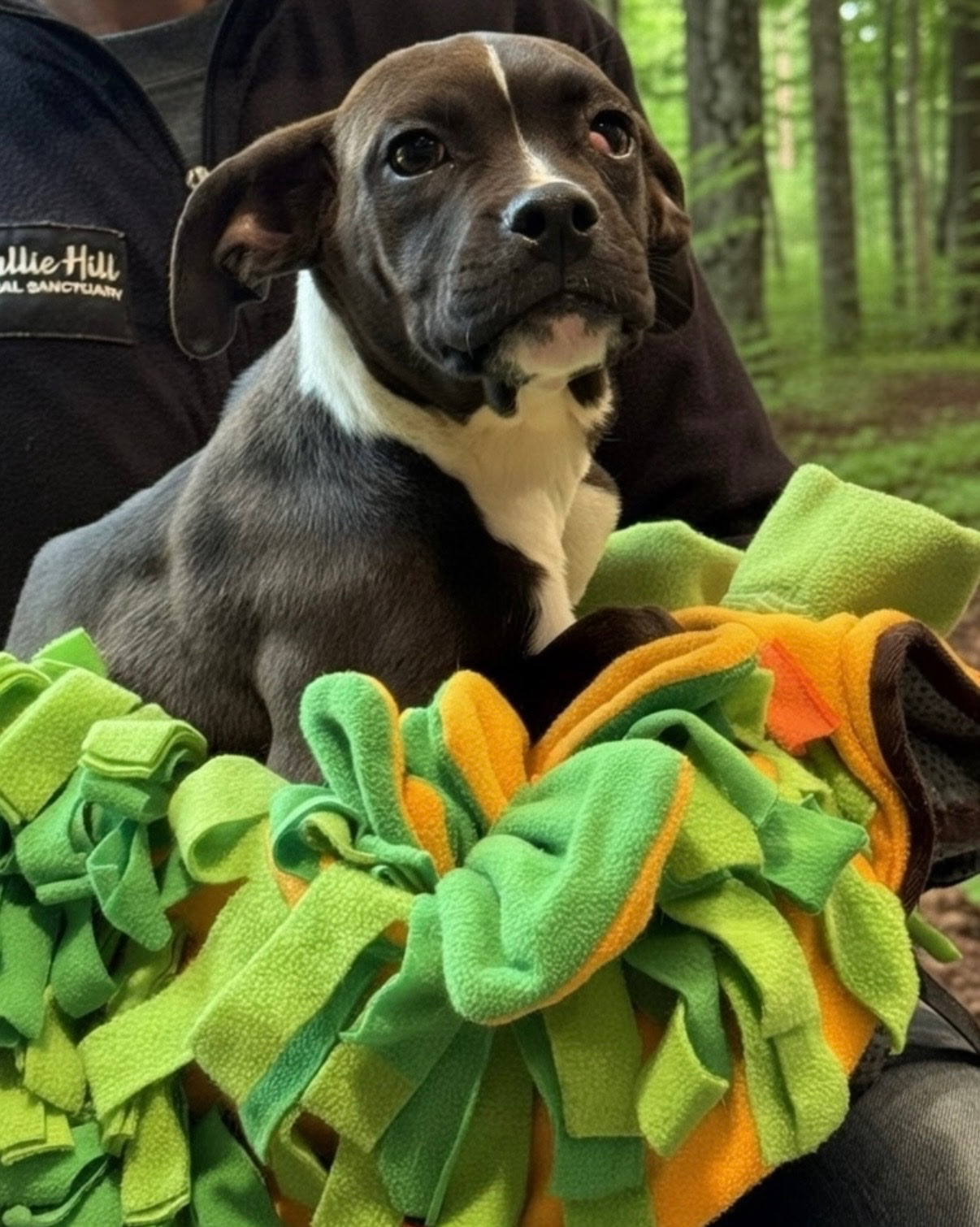
Rio is a five-month-old mixed breed pup with a joyful spirit and a playful personality that is hard to miss.

Like his brother Rip, Rio arrived at Hallie Hill under difficult circumstances after their litter was left at the sanctuary late one evening. Since then, he has grown into a happy and energetic puppy who is eager to explore the world around him.

Rio loves to play, bounce, and engage with the people around him. He is especially fond of games that involve getting down on the floor and joining in the fun.

He has even made a few television appearances and tends to win people over wherever he goes. Rio has never met a stranger, and his enthusiasm for life makes every interaction feel like a celebration.

He is looking for a home where his playful nature will be welcomed, and where he can continue to grow into the wonderful dog he is becoming.

Rip

Rip is Rio’s brother, and while the two share the same beginning, Rip has his own unique personality.

He can be a little shy at first, taking a moment to observe before jumping into the excitement. But once he feels comfortable, his playful side quickly appears, and he shows just how much personality he has.

Rip has what our team lovingly calls a “cherry eye,” a non-painful prolapsed tear duct that will be scheduled for surgery. It does not slow him down and certainly does not take away from the joyful, spirited pup he is.

Most of Rip’s littermates have already found their forever homes. Now he and Rio are patiently waiting for their turn.

Rip would thrive in a home that gives him the time and space to feel safe, allowing his confidence and playful energy to shine through.

A Gentle Invitation

Every animal at Hallie Hill is given the time, care, and patience they need while they wait for the right match.

Radar, Rio, and Rip are three wonderful companions who are ready to begin the next chapter of their lives with a family of their own.

If one of these animals feels like a good fit for your home, we would love to welcome you to learn more about them or submit an adoption application.

Your kindness and support help make these connections possible every day.

Learn more about adopting and applying at HallieHill.com.

Volunteer Spotlight: Erin Nosker

Volunteer Spotlight: Erin Nosker

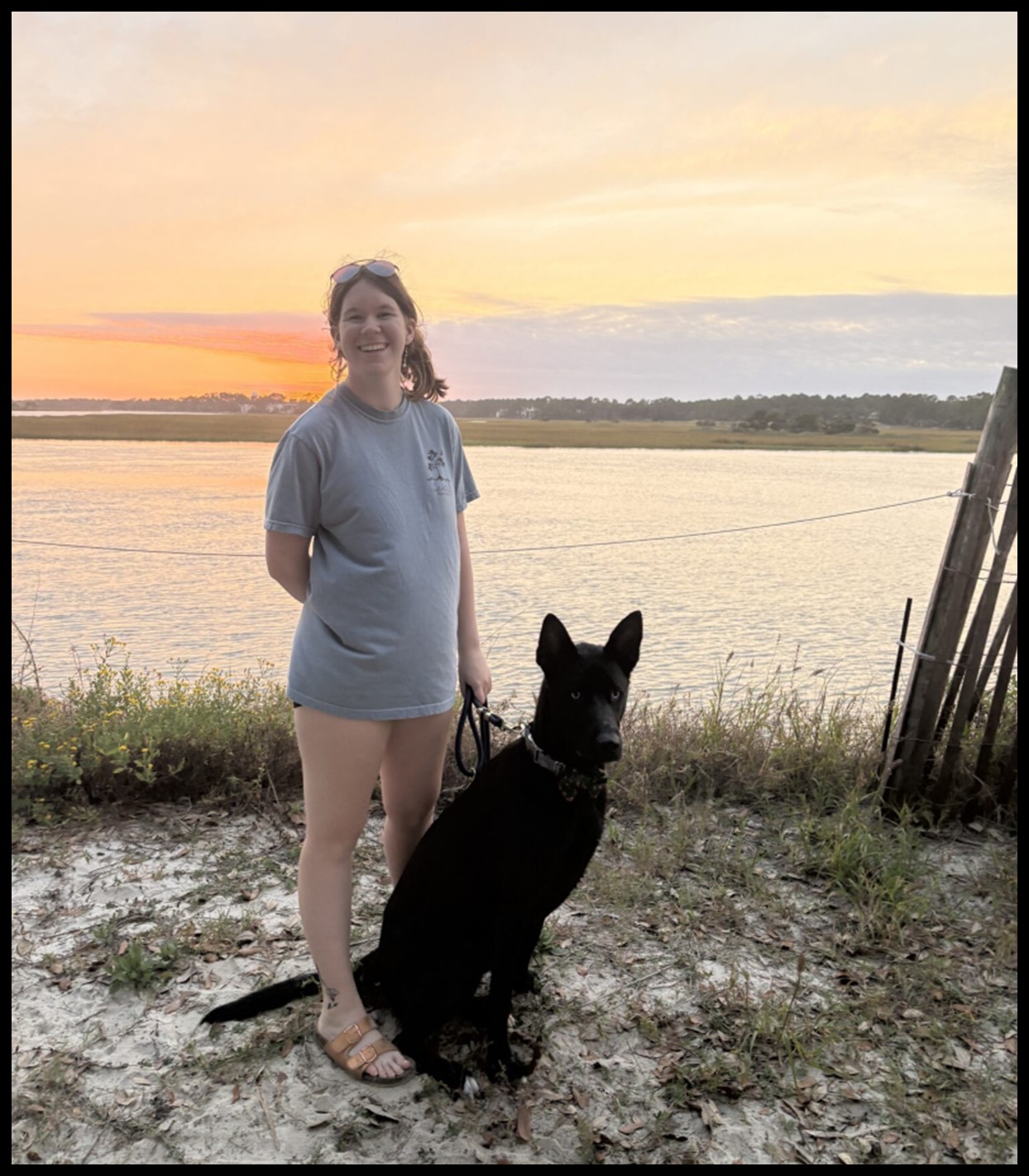
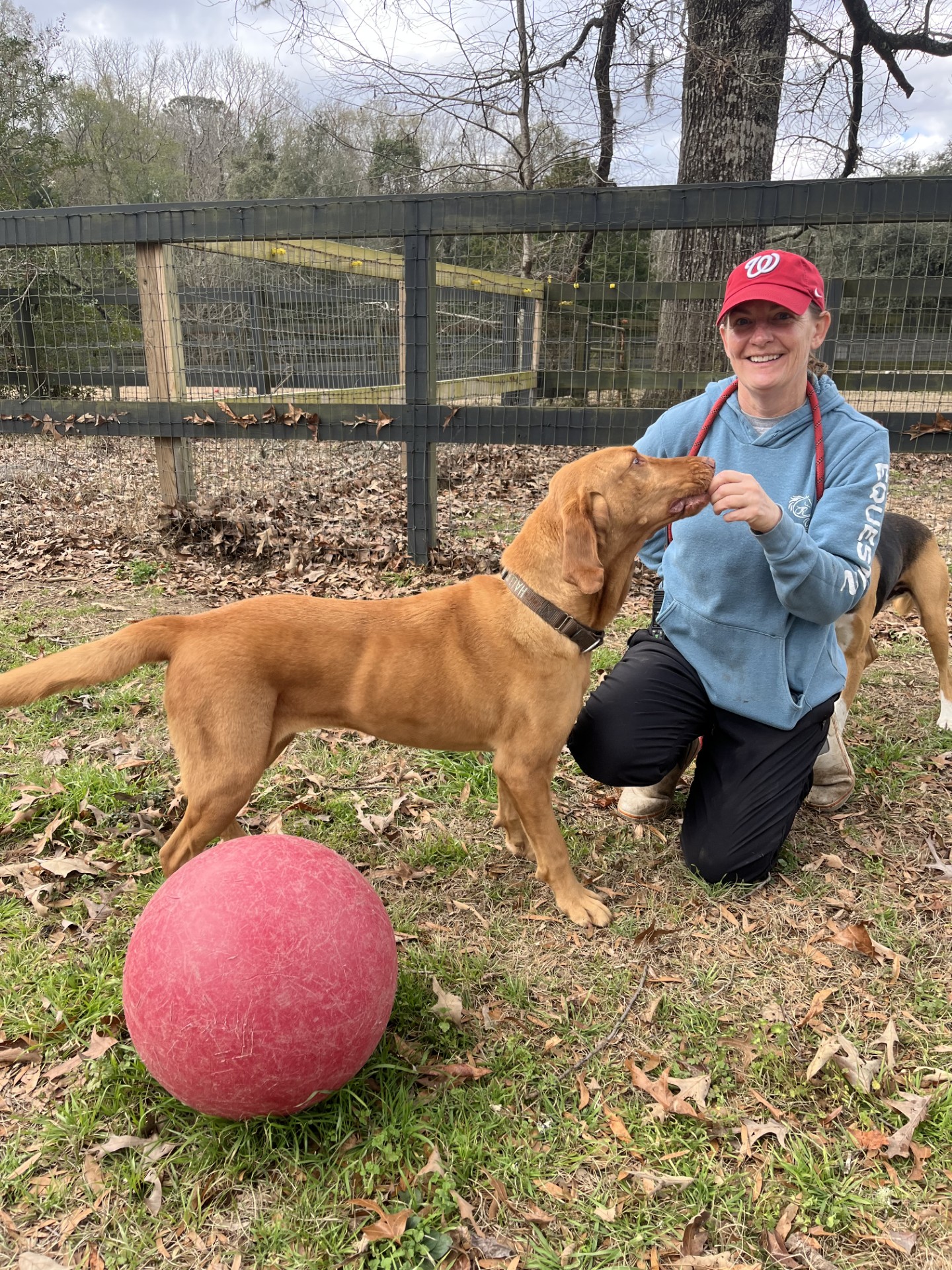
Volunteer Erin Nosker and Plum.
At Hallie Hill Animal Sanctuary, our mission is powered by compassion. Every day, volunteers bring patience, kindness, and heart to the animals who depend on us. This month, we are honored to highlight one of those special people, Erin Nosker.

Erin has been volunteering with Hallie Hill since August 2025, but her journey in animal welfare began more than a decade ago. Originally from Northern Virginia, Erin moved to Charlotte in 2008 and later relocated to Charleston in 2020 to join the Charleston Animal Society. Over the years, she has dedicated herself to helping animals who need a little extra understanding, especially dogs working through behavioral challenges.

At home, Erin shares her life with Tilly, her three-year-old pit bull, whom she adopted after losing two beloved dogs to cancer and old age. Tilly represents the resilience and hope Erin sees in so many shelter animals. That same belief in second chances is what continues to guide her work with animals every day.

Erin’s connection to Hallie Hill is deeply personal. One very special resident named Plum played a big role in bringing her to the sanctuary. Plum was previously at Charleston Animal Society and even served as Erin’s office dog. Wanting to stay connected to Plum’s journey, Erin began volunteering at Hallie Hill and quickly found a place that felt like home.

While Erin is exceptional with dogs, she is always ready to help wherever she is needed. She approaches every task with a positive attitude and genuine care, whether she is helping shy dogs build confidence, supporting daily care routines, or simply offering calm reassurance to animals learning to trust again.

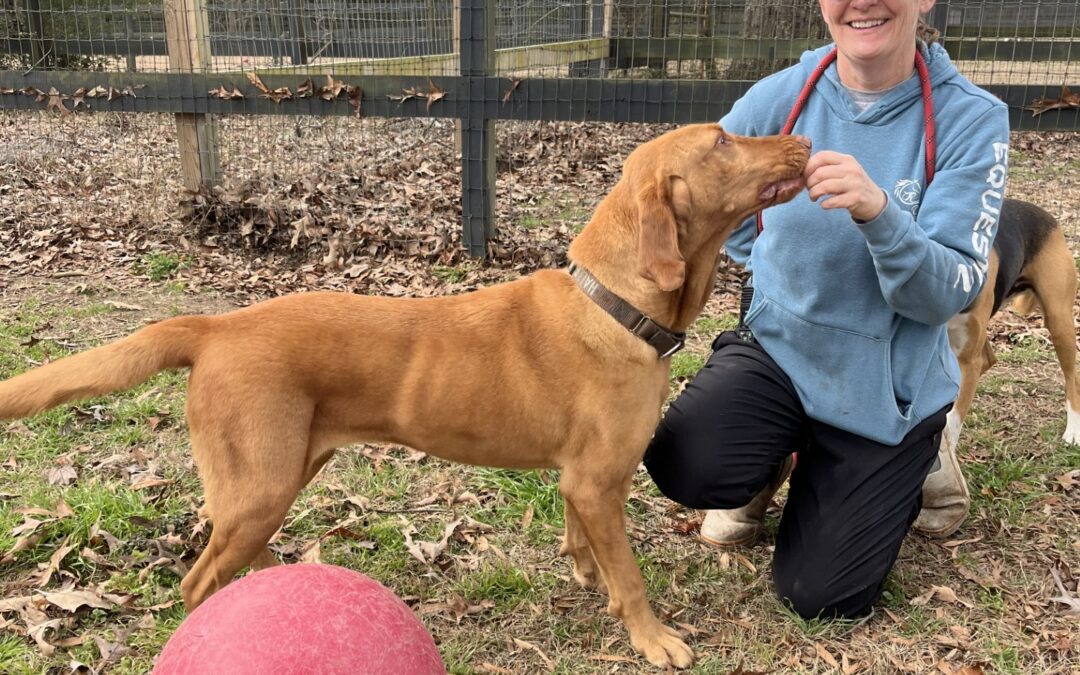
When asked to choose a spotlight pet, Erin selected Copper, an almost three-year-old hound mix with the joyful energy of a puppy and a heart full of love. Copper greets people of all ages with enthusiasm and charm.

Erin describes him as a sweet, goofy boy who is ready for a home of his very own. She can picture him running and playing in a yard or enjoying life on a farm. She especially loves imagining him with kids, running alongside them, and being part of everyday adventures.

Volunteers like Erin make a lasting difference in the lives of our animals. Through her dedication, kindness, and steady presence, she helps create an environment where animals feel safe enough to heal, grow, and prepare for their next chapter.

We are incredibly grateful to have Erin as part of the Hallie Hill family. Her compassion reflects the heart of our mission and reminds us that every act of kindness helps change an animal’s story.

If you are interested in volunteering at Hallie Hill Animal Sanctuary, we would love to welcome you to our community. Volunteers help make second chances possible every single day.

You can learn more about volunteer opportunities and sign up here.
Keeping Our Animals Warm and Cozy This Winter at Hallie Hill

Keeping Our Animals Warm and Cozy This Winter at Hallie Hill

As temperatures dip across the Lowcountry, there is one thing our animals never have to worry about at Hallie Hill. Staying warm, comfortable, and cared for.

Winter brings cooler nights and crisp mornings, but thanks to thoughtful preparation and the incredible support of our community, our dogs and cats are cozy all season long.

Cozy Jackets for Chilly Nights

Every dog who is comfortable wearing a jacket has one of their very own. These jackets help keep our pups snug during colder evenings and early morning routines.

We use a specific style of jacket that works especially well here at the Sanctuary. They are durable, waterproof, and designed to hold up to outdoor wear while keeping dogs warm and dry. These jackets make a meaningful difference, especially for our senior dogs and those with shorter coats.

If you would like to help us keep tails wagging this winter, we welcome donations of medium or large dog jackets. You can find the exact style we use here.

Warm Cabins and Comfortable Spaces

In addition to jackets, every dog cabin is stocked with fresh straw and warmed by heat lamps to provide extra comfort on cold nights. Our cats are cared for just as thoughtfully. The cattery is equipped with heating pads and lamps so our feline residents can stretch out, nap, and relax in cozy warmth.

These small comforts add up in a big way, helping our animals stay healthy and content throughout the winter months.

Thank You for Helping Us Care Through the Cold

Providing warmth does come with increased winter energy costs, and we are deeply grateful to our supporters who make this care possible. Every donation helps us continue offering safe, comfortable spaces for the animals who call Hallie Hill home.

If you would like to contribute toward keeping our residents warm this season, donations are always appreciated at HallieHill.com.

Together, we are making sure every animal stays safe, comfortable, and loved all winter long. Thank you for being part of our Hallie Hill family.

Dog Daycations at Hallie Hill

Dog Daycations at Hallie Hill

A Day of Simple Joys for Sven and Naomi


At Hallie Hill Animal Sanctuary, one of our favorite ways to enrich the lives of our dogs is through dog daycations. These special outings give dogs the chance to step outside the Sanctuary for a few hours and experience the world beyond their daily routine. Whether it is a car ride, a quiet walk, or simply time spent one-on-one with a caring volunteer, dog daycations offer mental stimulation, relaxation, and connection.


For many of our dogs, these moments help them show who they truly are when they feel calm, supported, and safe. Recently, two of our senior dogs, Sven and Naomi, enjoyed their own daycations, and each experience was a beautiful reminder of how meaningful these outings can be.

Sven’s Dog Daycation


A Gentle Soul Enjoying the Little Things


Sven recently went on a dog daycation, and it suited him perfectly.


This sweet senior gentleman hopped into the car with excitement and approached his outing with a calm, happy spirit. He enjoyed leisurely walks, plenty of good sniffs, and lots of loving attention from his daycation buddy. Sven took in new sights and smells at his own pace and seemed content simply being along for the ride.


Dog daycations allow dogs like Sven to relax and enjoy life outside the Sanctuary, even if just for a short while. For him, the day was filled with simple pleasures, gentle exploration, and moments of connection that highlighted his easygoing nature.


Sven is a Rhodesian Ridgeback mix who has spent many years living in a home with children and another senior dog. Due to circumstances beyond his family’s control, he found his way back to Hallie Hill. Despite his age, Sven still has plenty of pep and is well-behaved on a leash. He would love a home where he can enjoy more days like his daycation, surrounded by companionship and kindness. We hope that Sven and his longtime companion Dusty can find a loving home together.


Sven is available for adoption. You can learn more and apply to meet him at HallieHill.com/dogs.

Naomi’s Dog Daycation


One-on-One Time Makes All the Difference


Naomi also recently enjoyed a dog daycation, and her day was a beautiful example of how meaningful these outings can be.


Naomi rode calmly in the car and was eager to explore once she arrived. She enjoyed taking in her surroundings, going for relaxed walks, and soaking up one-on-one attention from her volunteer. Outside the Sanctuary, Naomi showed just how gentle, affectionate, and content she can be when she feels secure and understood.


Dog daycations allow dogs like Naomi to step into a quieter environment where they can relax and connect without pressure. For her, the day was filled with curiosity, calm companionship, and moments that reflected her loving personality.


Naomi has been part of the Hallie Hill family for many years. She does best with structure and careful handling, and she is housed alone at the Sanctuary due to past experiences with other dogs. When she goes on outings with trusted volunteers, she does very well and shows how much she enjoys consistent routines and individual attention. While we cannot say with certainty how her behavior might change once she forms a strong attachment, we know that Naomi has a deeply affectionate side and thrives when met with patience and understanding.


Naomi is available for adoption and would love a peaceful home where she can enjoy her senior years feeling safe, respected, and loved. You can learn more and apply to meet her at HallieHill.com/dogs.

Why Dog Daycations Matter


Dog daycations are more than just a fun outing. They help our dogs decompress, build confidence, and experience positive interactions beyond the Sanctuary environment. These moments often reveal sides of their personalities that are harder to see in a kennel setting and help potential adopters better understand who they are.


Most importantly, dog daycations remind our dogs that they are cherished.


We are so grateful to the volunteers who give their time and hearts to make these experiences possible. Thanks to their dedication, dogs like Sven and Naomi get to enjoy days filled with kindness, comfort, and connection.


If you are interested in learning more about our dogs or opening your heart and home to adoption, please visit HallieHill.com/dogs.

Understanding the 3-3-3 Rule: Helping Your Newly Adopted Dog Adjust at Their Own Pace

Understanding the 3-3-3 Rule: Helping Your Newly Adopted Dog Adjust at Their Own Pace

Welcoming a newly adopted dog into your home is a joyful and meaningful experience, but it can also be a big transition for both of you. Many dogs come to their new families carrying past experiences that shape how they adjust. Some may settle in quickly, while others may need more time, patience, and reassurance to feel safe.

At Hallie Hill Animal Sanctuary, we encourage adopters to follow the 3-3-3 Rule as a gentle guideline for understanding a dog’s adjustment period. This rule outlines what many dogs experience within the first 3 days, 3 weeks, and 3 months in a new home. While every dog is unique, the 3-3-3 Rule is widely used by trainers, shelters, and behaviorists to help families set realistic expectations and support a smooth transition.

Below, we expand on what each stage can look like and offer insights grounded in modern canine behavior knowledge.

The First 3 Days: Time to Decompress

The beginning of a new adoption can feel overwhelming for a dog. They have just experienced major changes in their surroundings, routines, and caretakers. During the first few days, many dogs need quiet time to decompress.

Common behaviors during this phase may include:

  • Feeling unsure or overwhelmed by their new environment
  • Hiding in a quiet spot or seeking out a safe space
  • Reduced appetite or reluctance to drink
  • Sleeping more than usual is a stress response
  • Appearing shut down or hesitant to interact
  • Testing new boundaries or acting cautiously

These behaviors are normal and supported by animal behavior research. According to the American Veterinary Society of Animal Behavior, dogs often show withdrawal or inhibited behavior when adapting to new surroundings. Decompression gives them the space they need to feel safe.

During these early days, your patience and calm presence will help your dog begin to relax. Keep routines simple. Keep introductions slow. Allow them to observe the household at their own pace.

The First 3 Weeks: Learning Your Routine

Around the three-week mark, many dogs start to understand that their new home may be a stable and safe place. They begin learning the household routine, noticing daily patterns, and showing more of their personality.

You may begin to see:

  • Increased comfort and confidence
  • Curiosity about their surroundings
  • Improved appetite and more relaxed body language
  • A growing bond with family members
  • Emerging behavior quirks or training needs
  • Signs of trust, such as following you around or initiating play

During this time, some behavior issues may become more noticeable. This is not unusual. Research in canine learning and stress recovery shows that once a dog begins to feel safer, they may become more expressive and reveal behaviors that were previously suppressed by stress. This period is an opportunity to reinforce positive habits, continue training, and help your dog feel assured and understood.

Consistency, gentle guidance, and positive reinforcement can make a meaningful difference as your dog settles in.

The First 3 Months: Feeling at Home

By three months, many adopted dogs start to feel truly at home. They have learned their family’s routine, know what to expect each day, and begin forming deeper bonds.

During this stage, dogs often:

  • Feel significantly more secure and comfortable
  • Show trust through affection, play, and relaxation
  • Develop stronger relationships with their family
  • Display their full personality
  • Settle into the household rhythm

According to certified behaviorists and shelter professionals, the three-month mark is when many dogs experience the most substantial emotional stability after adoption. This is often when families start to see who their dog truly is.

With continued patience, training, and love, your adopted dog can thrive and become a joyful, confident member of your family.

Give Every Dog a Chance

The transition into a new home is a journey, not a race. By understanding the 3-3-3 Rule and offering compassion throughout each stage, you give your dog the foundation they need to succeed.

Every moment you invest in patience, structure, and kindness strengthens your bond and helps your new companion feel safe, understood, and loved.

If you are interested in meeting one of the wonderful dogs at Hallie Hill Animal Sanctuary, we welcome you to visit HallieHill.com to learn more.

Together, we can give every dog the time and space they need to flourish in their forever home.